
5. A thriving community
Flowering plants
Recognizing your power users
As your community grows and evolves in the initial adoption and engagement stages, you'll notice that some users are more active than others. It's crucial to identify your core group of users, as they hold the key to unlocking the true power of your community. This dedicated 10-20% of members will drive over 80% of the interactions and engagement within your community. Recognizing their contributions is essential to nurturing a thriving and vibrant community.
It’s important to keep track of your power users to identify:
- Members that are regularly returning and contributing
- Members that post regularly and prompt discussions
- Members that are regular commenters and facilitate discussions
- Passionate members who have an emotional link to the community
- Members that are aiding and interacting regularly with new members who join the community.
By nurturing and developing these active members, you can establish dedicated groups tailored for these power users. This allows you to engage them in specific campaigns, align with them on your mission, and gather ongoing feedback. Building a strong relationship with these influential members will greatly contribute to the growth and success of your community.
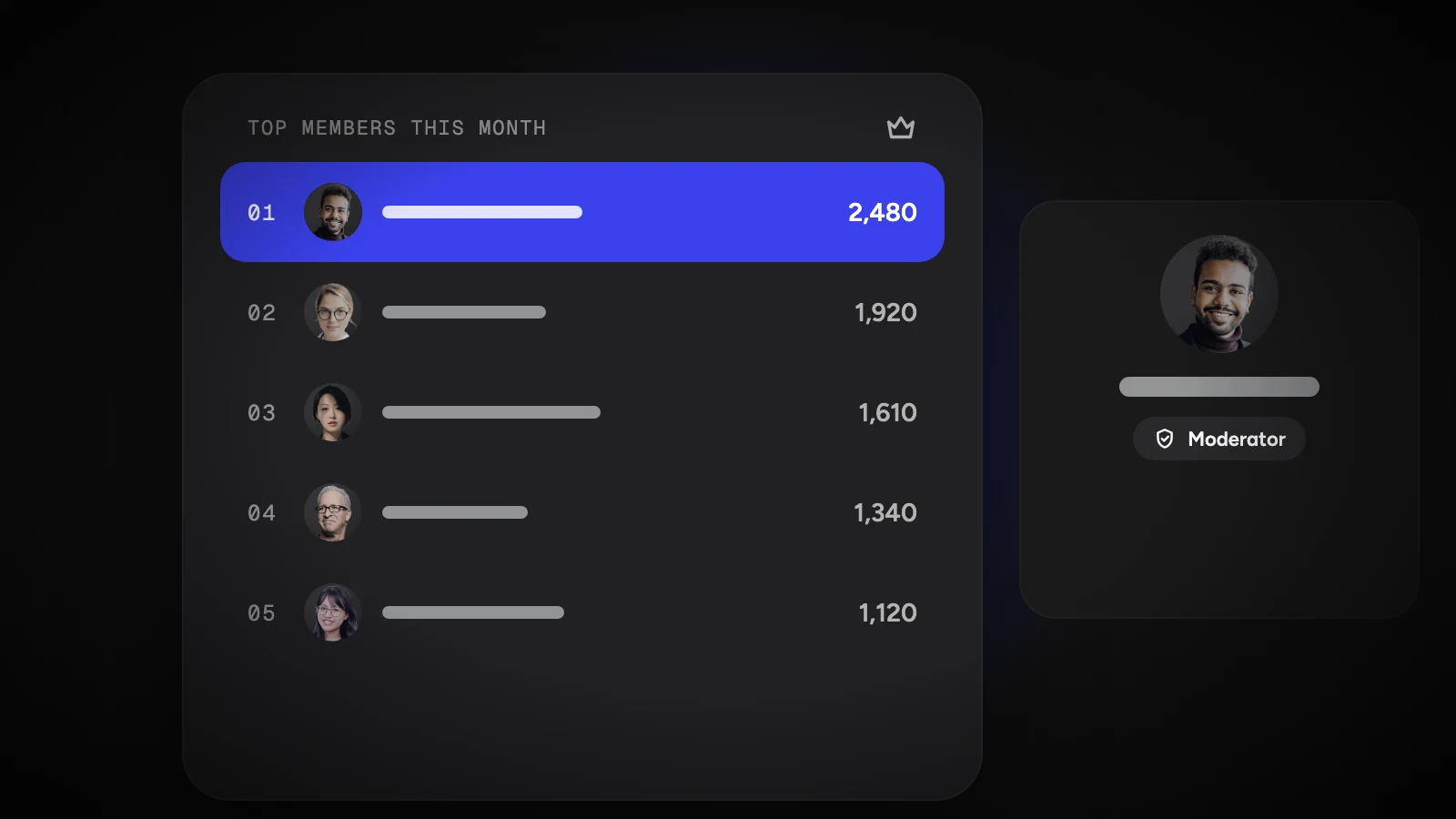
Leadership roles among members
As members become more active, it's crucial to provide them with opportunities to grow. This not only boosts their confidence and sense of purpose within the community but also reduces the reliance on your internal community teams. Creating space for growth fosters a self-sustaining community where members can thrive and contribute independently. Having roles at varying levels encourages community members to grow out of simple membership to active leaders in the community.
- How can you support these leaders in their new roles?
- How can you recognize and amplify valuable activities?
- How can you minimize or terminate activities that are not as valuable?
Some leadership roles that power users can be considered for are:
- Moderators: moderate and organize content for groups
- Ambassadors: advocate inside and outside the community for the brand
- Community mentors: supporting new users to onboard and use the community
- Facilitators: host discussions, conversations, and even live-stream webinars within your community
- Content creators: develop content, videos, and collaterals.
Encouraging user-generated content
Encouraging your users to take on a more active role in your community brings tremendous benefits, elevating the authenticity of your community experience.
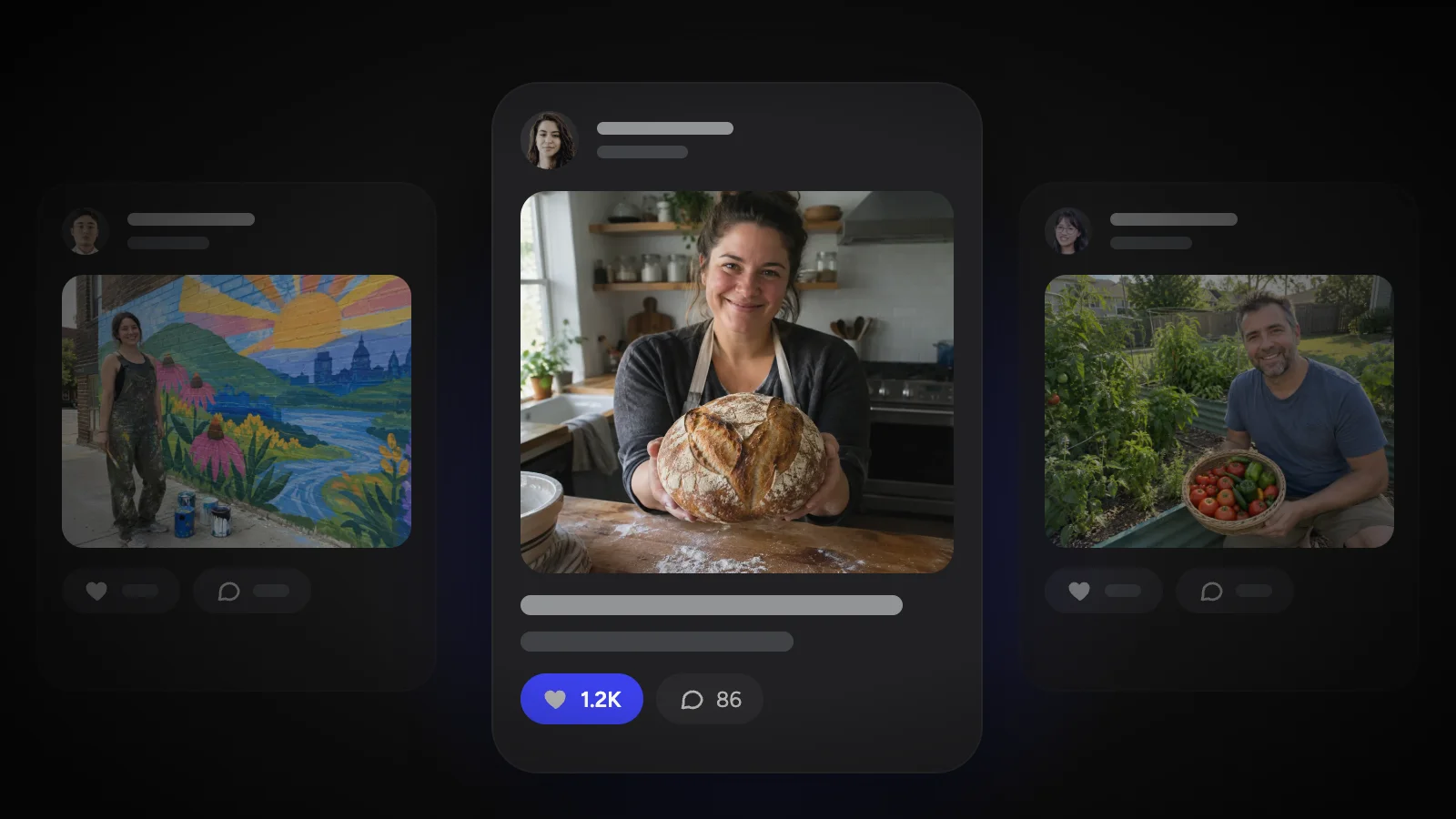
90% of consumers rely on posts, comments, and reviews by fellow consumers when making purchasing decisions. People inherently trust other people and value genuine opinions and insights, making user-generated content (UGC) more influential than any other form.
By fostering user participation and promoting UGC, you enhance the credibility and influence of your community, making it a valuable resource for users seeking authentic information and perspectives. A few tips for encouraging user generated content:
- Don’t fake it - members can always sense it
- Create a safe space for members to share experiences
- Welcome different types of UGC (reviews, images, videos, queries, blogs, etc.)
- Incentivize UGC by giving rewards and promotions
- Incentivize users to share UGC on other social media channels as an acquisition technique.
Final thoughts
- By nurturing your community members and transforming your power users into community moderators and leaders, you can foster a self-sustaining community that requires less direct involvement from the company.
- Empowering your dedicated members to take on these roles promotes a sense of ownership and responsibility within the community.
- They become instrumental in guiding discussions, enforcing community guidelines, and facilitating interactions, reducing the need for constant intervention from the company's side.
- This shift towards member-driven moderation and leadership not only frees up company resources but also strengthens the community's sense of autonomy and engagement.