Over 80% of Sephora’s Sales Come from Loyal Customers – Why Emotional Loyalty Drives Growth
In the world of customer retention, emotion is emerging as the secret weapon. Consider this: loyal customers drive over 80% of Sephora’s total sales. That staggering figure isn’t fueled by discounts and points alone, it’s powered by emotional connection. In fact, research shows that nearly 75% of what drives customer engagement and loyalty comes from emotional perks like trust, happiness, surprise, and delight. These are the feelings that turn casual shoppers into brand advocates. Data increasingly confirms what savvy brands suspect: emotional loyalty isn’t a fluffy concept, but a concrete growth lever that boosts retention, spending, and lifetime value.
From Transactions to Trust: The Shift to Emotional Loyalty
Most traditional loyalty programs are transactional, think punch cards, points, and coupons aimed at triggering the next purchase. While these tactics can spike short-term sales, they often fail to inspire long-term allegiance. The limitations are clear: over 50% of purely points-based loyalty memberships eventually go inactive, as customers lose interest once the novelty of rewards fades. Understanding how loyalty programs are structured, from points mechanics to tier design, helps brands identify where transactional programs fall short before building emotional layers on top. Transactionally loyal customers are also quick to defect when a competitor offers a better deal.
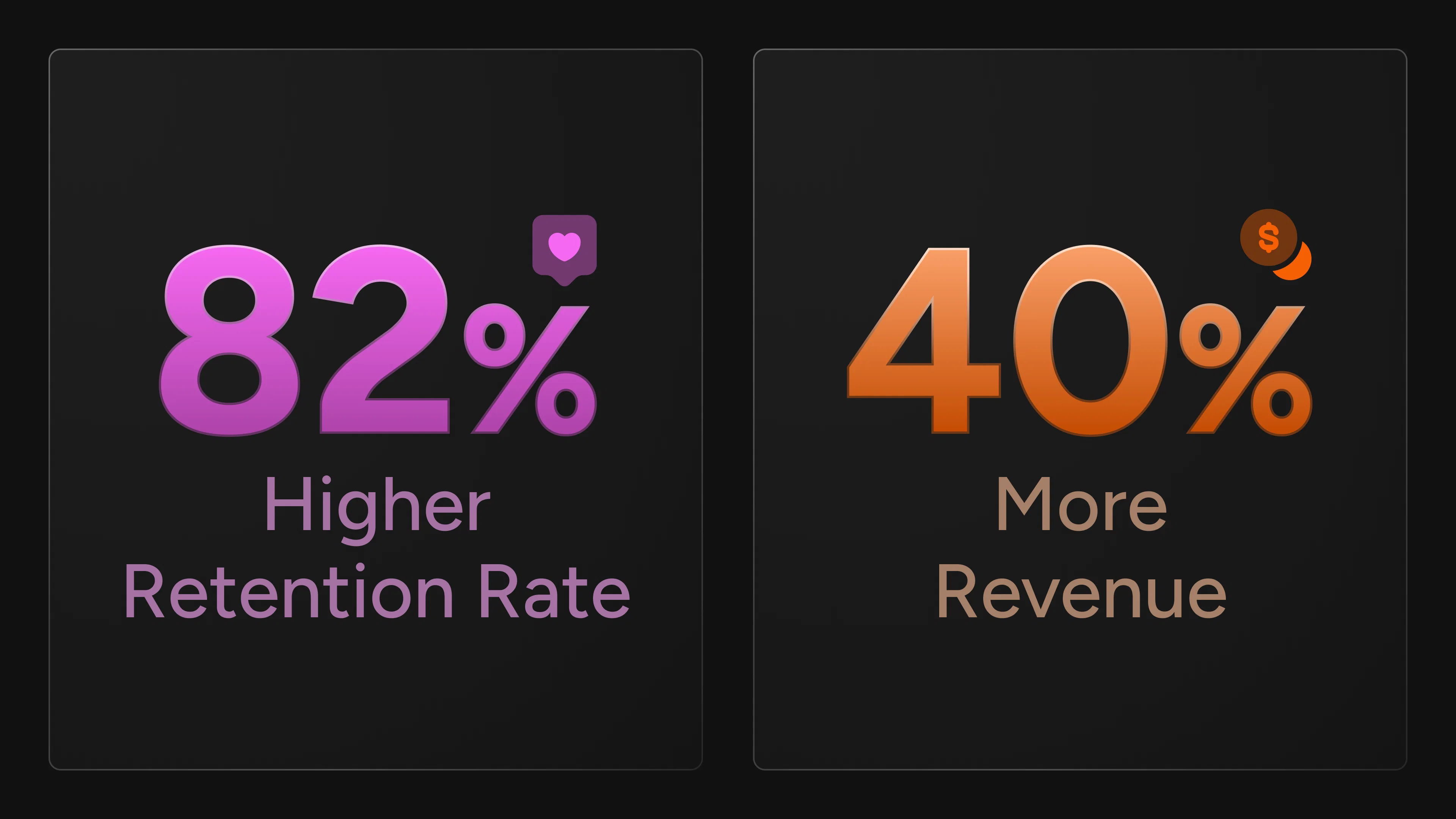
Emotional loyalty takes a different path. Rather than bribing customers to come back, it cultivates a genuine bond. Customers return because they want to, not just because they'll save $5. This approach delivers superior results. Brands that tap into emotional loyalty see 82% higher customer retention rates and emotionally engaged customers generate 40% more revenue than those driven by incentives alone. Another industry report found emotionally connected customers are 4× more likely to re-purchase and 4× more likely to recommend a brand to others. In short, emotional loyalty transforms satisfied buyers into devoted fans who stick around longer, spend more, and actively sing the brand's praises.
At the heart of emotional loyalty are intangible perks, such as a sense of belonging, feeling valued, being listened to. It's the difference between a customer saying "I shop there because it's cheapest" versus "I love this brand, it just gets me." Emotional loyalty isn't about one transaction; it's about how a brand makes people feel over time.
Emotional Loyalty in Action: Sephora's 80% Loyalty-Fueled Revenue
Sephora's Beauty Insider program is a case study in emotional loyalty driving real revenue. With over 17 million members in North America, Beauty Insider members account for around 80% of Sephora's total sales. This wasn't achieved by running endless sales or doling out points without purpose. Sephora deliberately designed its loyalty ecosystem to deliver emotional rewards and experiences.
What does that look like in practice? For Sephora, it means focusing on happiness, trust, surprise, delight and anticipation in the loyalty journey. Beauty Insider offers experiential perks like free beauty classes, early access to new products, and invitations to exclusive events – benefits that make members feel special and "in the know." Sephora even built an online Beauty Insider Community where members swap tips and inspiration, forging peer connections around the brand. Emotional factors such as pride and belonging are especially powerful in the beauty realm. Little touches reinforce this bond: birthday gifts, personalized product recommendations, and even the brand's tagline "We Belong to Something Beautiful," which underscores a message of inclusivity and community belonging inside every Sephora store.
Crucially, Sephora hasn't abandoned rational rewards – points and discounts still play a role. But the program skews heavily toward emotional benefits, with emphasis that "the right balance of transactional and emotional is required". That balance is tilted toward experiences that create emotional resonance. The payoff is evident: Sephora's emotionally-engaged loyalty members not only drive the majority of sales, they also engage more often (even browsing or participating in community forums when not buying) and have higher cross-category spend. By making customers feel understood and valued in their "beauty journey," Sephora has nurtured a base of devotees who choose the brand out of affection and trust, not just habit.
Other Brands Turning Loyalty into Love (and Revenue)
Sephora isn't alone. Many leading brands are reorienting their strategies to prioritize emotional connection. Starbucks and its rewards program boasts 75 million members worldwide, and those loyalists now account for 57% of Starbucks's U.S. revenue. Loyalty members don't just buy coffee more often; they spend ~3× more per visit than non-members. Starbucks has mastered the art of making customers feel part of an "inner circle". From the ritual of earning "stars" and Gold status, to member-only perks like free birthday treats and early access to new drinks. The effect is an emotional investment in the brand.
Nike has taken a similar approach with its Nike Membership ecosystem (spanning apps like Nike Run Club and Nike Training Club). Rather than a classic points program, Nike's loyalty strategy centers on community and lifestyle. Members get access to exclusive workouts, community challenges, and local events. This fosters a sense of belonging to an exclusive club of athletes and enthusiasts. This results in a stronger loyalty and brand affinity that translates into continued purchases of Nike gear as a badge of that community. Similarly, LEGO has built its Insiders loyalty program around fan community engagement, turning customers' love for creativity and play into deeper loyalty ties. These brands understand that belonging and shared values can lock in loyalty more powerfully than discounts alone.
Hotel chains and airlines have long had points-based rewards, but are now layering in experiences. They're inviting top customers to exclusive events or giving personalized recognition on special occasions to create emotional hooks. Amazon Prime, while fundamentally a paid loyalty program, succeeds in part by engendering peace of mind and entertainment enjoyment (Prime Video, Music) – integrating into customers' daily lives in ways that build a comfortable emotional reliance on Amazon. Across sectors, the pattern is clear: when customers feel emotionally connected, they stick around. They come back not because they have to, but because they genuinely want to. And they often bring their friends along, which is the foundation of organic growth.
Why Shallow Engagement Isn't Enough: The Pitfalls of Points and Follows
It's important to note that emotional loyalty is not the same as engagement. Brands can rack up millions of followers on social media or thousands of loyalty sign-ups, yet still fail to create true loyalty if those audiences feel no genuine attachment. On Instagram, only about 3.5% of a brand's followers see a given post on average, and on Facebook it's even lower (~1.6%). In other words, over 96% of your so-called "fans" might not even see your content unless you pay to promote it. Chasing likes and follows is thus a tenuous strategy, these metrics often reflect passive, superficial engagement that doesn't translate into retention or revenue.
The same principle applies to loyalty programs that revolve solely around transactional perks. If customers join just to get a one-time discount or freebie, their affinity is skin-deep. A points balance or coupon might grab attention, but it doesn't build an emotional bond. And without an emotional bond, there's little stopping a customer from abandoning the program (and the brand) when the incentives dry up.
In contrast, emotional loyalty creates a moat that competitors can't easily copy. This is why brands that focus only on transactional perks or vanity social metrics often see diminishing returns. Organic social reach has collapsed and paid ads are increasingly expensive, so leaning on those alone for customer engagement is unsustainable. Likewise, a basic rewards program might boost short-term sales but won't achieve the 75% emotional engagement drivers that underpin true loyalty. In the end, shallow engagement is a leaky bucket; emotional loyalty is what turns that bucket into a well that retains and replenishes customers.
Building Emotional Loyalty Through Community and Experiences
So if traditional marketing and transactional perks are losing steam, how can brands actively cultivate emotional loyalty? The key is to invest in channels and experiences that foster direct, meaningful connections with your audience. Here are a few proven strategies to build emotional loyalty:
- Create Owned Communities: Develop a dedicated space (an in-app community, forum, or members-only group) where customers can interact with the brand and with each other. Community platforms allow users to share stories, ask questions, and celebrate mutual interests, all under your brand's umbrella. This peer-to-peer engagement generates a powerful sense of belonging. For example, Sephora's Beauty Insider Community lets members swap beauty tips and feel part of a close-knit beauty tribe – strengthening their emotional attachment to Sephora. Brands like Nike and LEGO similarly cultivate exclusive communities where shared passions reinforce brand loyalty. An owned community keeps customers coming back even when they're not shopping, giving them a reason to stay connected beyond transactions.
- Deliver Exclusive Experiences & Content: Surprise and delight your best customers with experiences or content they can't get elsewhere. Emotional loyalty thrives on moments of joy and recognition. This could mean early access to new product releases, invitations to VIP events (online or offline), or special experiences as rewards. Content is another experience: brands that produce valuable, personalized content (tutorials, inspirational stories, insider news) demonstrate that they understand their customers. This builds trust and excitement. Importantly, these experiences and content should align with the customer's identity and values. When a brand taps into what customers care about – be it fitness, creativity, sustainability - it forges an emotional link. Transactional loyalty gives rewards; emotional loyalty gives meaning.
- Personalize the Journey: Use data thoughtfully to make each customer feel seen and appreciated. Personalization is a cornerstone of emotional loyalty. Studies show 72% of consumers engage only with personalized messaging that speaks to their needs Leverage purchase history and preferences to tailor recommendations, offers, and communications. A simple example is how Starbucks suggests drinks based on past orders or sends a "we miss you" offer if you haven't visited in a while. These tailored touches show customers that the brand notices and values them as individuals. Personalization can also mean acknowledging milestones (birthday rewards, anniversary notes). When customers feel a brand is listening and catering to them, it builds trust and happiness.
- Re-think Rewards to Align with Values: Traditional loyalty rewards (points, rebates) appeal to the wallet, but emotional rewards appeal to the heart. Consider incorporating rewards that align with customers' values or give them a sense of purpose. This might include charity tie-ins, achievements or status symbols, or social recognition (highlighting top members or user-generated content). For instance, outdoor brands have rewarded loyal customers with opportunities to volunteer for environmental clean-ups, turning loyalty into shared value. Such rewards make customers feel good about their relationship with the brand, deepening emotional commitment.
Underlying all these strategies is a common theme: invest in relationships, not just acquisitions. While acquiring new customers is important, brands are realizing that the growth multiplier lies in nurturing the customers they already have through richer engagement. In practice, this means shifting resources toward community-building, content creation, and customer experience.
Key Takeaways for Community & Loyalty Growth
- Emotional loyalty drives real revenue: Loyal customers who feel an emotional bond with a brand stay longer and spend more.
- Feelings beat freebies: About 75% of customer engagement is driven by emotional factors. Points and discounts alone are not enough to sustain loyalty. Brands need to deliver happiness, trust, surprise, and delight to win hearts. Programs that balance tangible rewards with emotional experiences see far better loyalty outcomes.
- Community creates belonging: Fostering a community around your brand (whether via an online platform, social groups, or events) builds a sense of belonging that is hard to break. When customers form relationships and identity through a brand's community, they are much less likely to leave. Owned community platforms and apps also let you reach your audience directly.
- Personal connection = higher retention: Making customers feel understood on a personal level through personalized offers, tailored content, and one-to-one interactions generates trust and loyalty.
- Loyalty is a growth lever, not just a retention metric: Forward-thinking companies are doubling down on loyalty strategies because they see that engaged loyalists drive growth via repeat purchases, upsells, and word-of-mouth advocacy. Emotional loyalty, in particular, turns customers into brand ambassadors who recruit others.
Emotional loyalty is proving to be a powerful engine for sustainable growth. Community managers and marketers should ask themselves: How can we make our customers feel more connected, appreciated, and involved? The answers will likely involve investing in community platforms, exclusive content, and more personalized experiences. Brands that get this formula right are seeing remarkable returns in customer lifetime value and advocacy.